How to Prepare Your Yard for a New Pool Installation
A Homeowner’s Guide for Myrtle Beach & the Grand Strand
Installing an inground pool is a major investment, especially along the Grand Strand where soil conditions, permits, and coastal weather all affect how a pool must be built. Proper pool installation preparation helps prevent delays, unexpected costs, and long-term structural problems.
This backyard pool installation guide explains how Myrtle Beach area homeowners should prepare their yard, what permits are required, and what to expect during installation.
Key Takeaways
1. Preparation protects your investment: Permits, soil, drainage, and utilities must be planned correctly for coastal pool installations.
2. Lowest price often costs more later: Most inground pools cost $48,000 to $87,500, and cut-rate installs frequently need repairs.
3. Local rules and licensing are critical: Grand Strand pool requirements vary by city, and licensed builders ensure compliance and inspections.
Set Realistic Expectations for Cost and Timeline
Choosing a pool builder based on the lowest price often leads to expensive repairs later. Allstar Pool Company regularly services pools that were improperly installed by unqualified contractors offering prices that seemed too good to be true.
Today, the average inground pool installation cost ranges from roughly $48,000 to $87,500, with a national average near $66,000. Even DIY projects typically start around $30,000 or more for materials and the core structure before decking, fencing, or landscaping. (Read Why DIY Inground Pool Building Usually Costs More Than You Think)
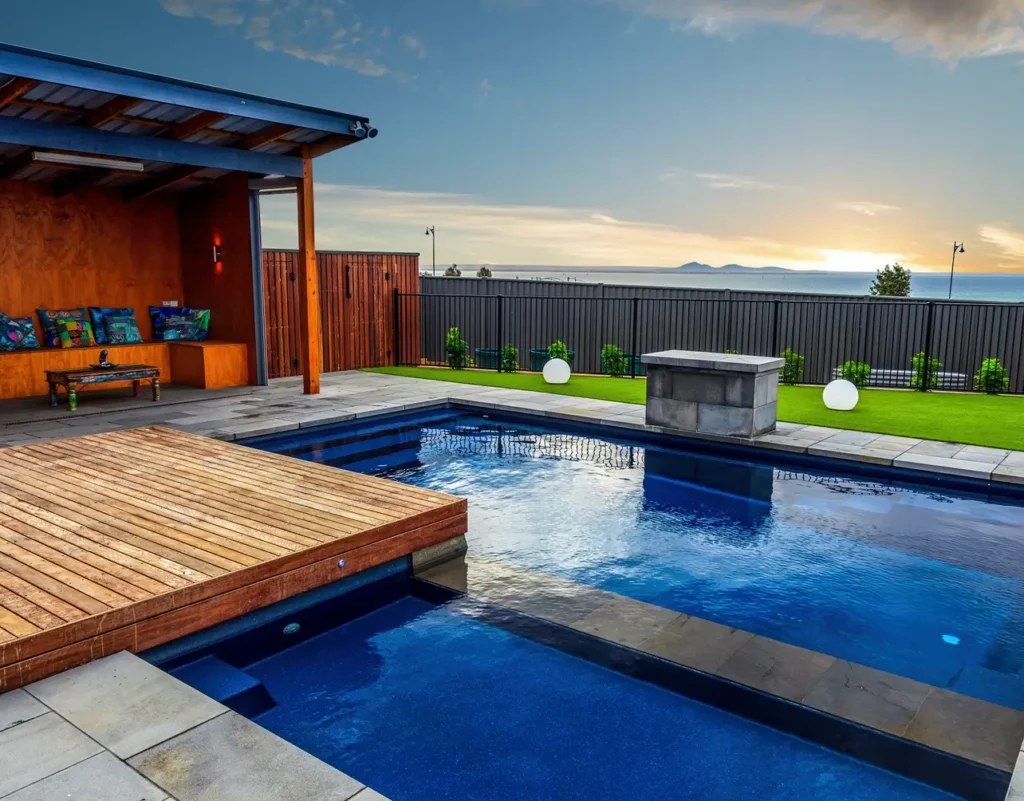
A qualified builder should provide a transparent estimate that explains total cost and the expected timeline from contract signing to filling the pool with water. Always ask for references and proof of experience.
For a clear picture of how professional installations are handled locally, review Allstar Pool Company’s inground pool installation services.
Permits and Zoning Requirements in the Grand Strand
Installing an inground pool in the Grand Strand requires multiple permits and inspections. These typically include:
- A building permit for excavation and pool structure
- A zoning permit to confirm setbacks and placement
- An electrical permit for pumps, lighting, bonding, and GFCI protection
- A plumbing permit for water supply, drainage, and filtration systems
Inspections are required at several stages, including electrical rough-in, plumbing, and final approval.
Permit rules vary by location, including Myrtle Beach, North Myrtle Beach, Surfside Beach, Pawleys Island, and Horry County. Homeowners should contact their local building or planning department and request the official swimming pool permit packet for their address or work with your pool contractor to make sure these are in place.
For broader regulatory context, homeowners can find more comprehensive state guidelines through the South Carolina Department of Environmental Services (SCDES).
Coastal Soil, Drainage, and Yard Conditions
Preparing your yard for a pool in a coastal environment requires careful attention to soil stability and drainage. Sandy soil, a higher water table, salt exposure, and storm-driven rainfall all influence how a pool must be installed.
Allstar Pool Company’s proper grading will make sure water drains away from your pool and home. Poor drainage or inadequate soil preparation can cause settling or structural movement over time. Fiberglass pools are often well suited for coastal areas because of their flexibility and durability when installed correctly.
In some cases, additional site prep such as reinforced backfill or erosion control may be required. Allstar Pool Company prioritizes communication and transparency.
Utility Marking and Site Access
Before excavation begins, all underground utilities must be located and marked. Gas lines, electrical service, irrigation, septic systems, and water lines all impact where a pool can safely be installed.
Equipment access also matters. Narrow side yards, fencing, or mature trees may influence pool placement or require additional planning during site preparation.
Safety Requirements and Fencing Rules
Local ordinances throughout the Horry County require specific safety measures. Most municipalities mandate approved fencing or barrier systems with self-closing, self-latching gates. Electrical components must be properly bonded and protected with GFCI devices.
These requirements are enforced through inspections and must be included early in your pool installation checklist.

Contractor Licensing and Legal Protection
South Carolina has strict contractor licensing laws. Homeowners should confirm that their pool builder holds the appropriate South Carolina builder’s license and any required pool-related classifications. Want to learn more about our license, warranty, and experience? We encourage you to schedule a consultation and we’ll be happy to share more details.
Licensed contractors can legally pull permits and schedule inspections. Hiring an unlicensed builder can lead to failed inspections, project delays, and limited legal protection if problems arise.
Space Planning for Long-Term Use
A pool should fit how you plan to use your backyard. Space planning should account for decking, walkways, seating, and safe circulation around the pool.
Homeowners considering fiberglass options (including popular saltwater pools!) can explore layouts and designs in Allstar Pool Company’s new pool construction overview.
What to Expect During Installation
Professional pool installation follows a defined sequence. This typically includes excavation, pool placement, plumbing and electrical work, backfilling, decking, inspections, and final startup.
Construction activity is normal and visible, but a clear schedule helps set expectations and keeps the project moving efficiently.
Your Smart First Step
For expert guidance on site preparation, permits, and pool options designed for coastal living, schedule a consultation with Allstar Pool Company.
A Comprehensive Checklist for Pool Installation
ALLSTAR POOL COMPANY POOL PERMIT + PREP CHECKLIST
For Myrtle Beach & Grand Strand Homeowners
BEFORE YOU SIGN A CONTRACT
- Verify your pool builder holds a valid South Carolina Builder’s License
- Ask for recent local pool installation references
- Confirm a realistic timeline from contract to water fill
- Review total project cost, not just the base price
PERMITS & LOCAL APPROVALS
- Building permit approved
- Zoning and setback requirements verified
- Electrical permit for pumps, lighting, bonding, and GFCI protection
- Plumbing permit for water supply, drainage, and filtration
- HOA approval if required
- City or county Swimming Pool Permit Packet obtained
YARD & SITE PREPARATION
- Underground utilities located and marked
- Soil stability and drainage evaluated for coastal conditions
- Grading plan confirmed
- Equipment access planned for excavation
- Trees, fencing, or obstacles addressed
SAFETY & CODE COMPLIANCE
- Approved pool fencing or barrier system planned
- Self-closing, self-latching gates
- GFCI protection specified for all electrical components
- Required inspections scheduled
INSTALLATION READINESS
- Pool layout fits yard size and lifestyle needs
- Decking and circulation space planned
- Erosion control addressed, if needed
- Final inspection requirements understood
FAQs
Does a pool add value to a Myrtle Beach home?
Yes. Well-designed pools often increase appeal and rental demand in coastal markets, especially for vacation homes.
Can a pool fit in a small backyard?
Often, yes. Pool size and shape can be customized, but access and setbacks must be evaluated first.
Can hurricane season delay pool installation?
Yes. Weather can cause delays, but local builders plan schedules and site protection around storm season.
Will my landscaping or irrigation be affected?
Possibly. Pool installation may require moving irrigation lines and replacing plants or sod afterward.
What maintenance is required after installation?
Regular water balancing, filter cleaning, and equipment checks are needed to keep the pool running properly.