Can You Use a Fiberglass Pool Year-Round in South Carolina? Heating, Maintenance, and More
Yes, though how often you’re actually swimming in the cooler months depends on water temperature, the weather that week, and whether you’ve got heating installed. South Carolina’s mild winters help stretch the season out, but the water can still dip too cold for comfortable swimming without some help.
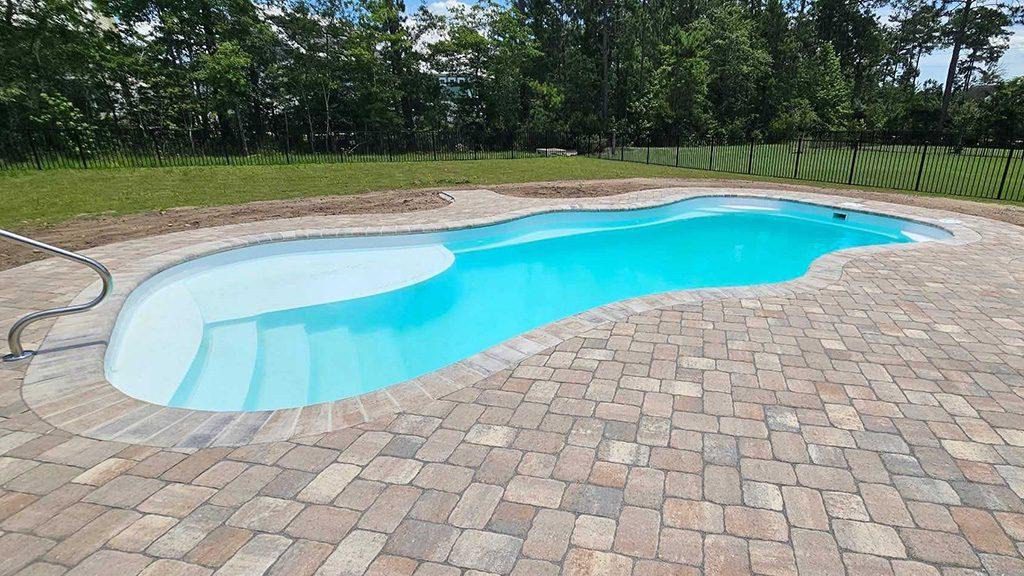
For homeowners considering fiberglass pools in South Carolina, year-round use is realistic with the right equipment and a bit of upkeep. The trick is planning the pool around how you actually want to use it all year, not just the three or four months when it’s hot out.
Can You Swim in a Fiberglass Pool During Winter in South Carolina?
Yes, as long as the water’s kept at a temperature you’d actually want to get into. Winter days here can be mild, but the water itself can still drop low enough to make swimming unpleasant without a heater running.
A pool doesn’t just shut off once temperatures fall, you just adjust how you use it. A warmer winter afternoon might still be perfectly swimmable, while a cold snap might mean either running the heater or just taking a break for a few days.
The upside of this climate is a longer swim season than you’d get up north. Getting comfortable year-round use out of it, though, still takes a bit of planning ahead of time.
Does a Fiberglass Pool Need to Be Heated for Year-Round Use?
No, but if you want swimming to actually feel good in the colder months, a heater is usually part of the equation. Without one, the water just tracks the outdoor temperature, for better or worse.
A heater makes a real difference once you’re swimming outside peak summer. Heat pumps and other heating systems are both options, depending on your setup and what you’d rather run.
Heating also puts you back in control of timing. Instead of waiting around for a warm stretch, you can keep the water at a comfortable temperature whenever conditions allow it.
At Allstar Pool Company, we help homeowners think through equipment and features based on how they actually plan to use the pool, which makes it a lot easier to build a setup that works past the summer rush.
What Makes Fiberglass Pools Suitable for South Carolina’s Climate?
Fiberglass pools in South Carolina tend to hold up well because the surface is smooth, durable, and low-maintenance, a good match for warm, humid conditions. That non-porous surface also helps reduce algae buildup compared to more porous materials.
South Carolina throws a lot at a pool: heavy rain, humidity, and salty air if you’re near the coast. A properly installed fiberglass pool handles all of that reasonably well.
The install site still matters just as much as the material. Drainage, soil, grading, equipment, and a solid installation job all affect how the pool performs over time.
The shell itself is only part of the story, good installation and regular upkeep matter no matter which pool type you go with.
How Should You Maintain a Fiberglass Pool During the Cooler Months?
Keep checking water chemistry, filtration, water levels, and equipment through the cooler months rather than walking away from it. Even with fewer people swimming, the pool still needs attention.
Worth staying on top of:
- Check chlorine or other sanitizer levels regularly.
- Test and balance the water’s pH.
- Skim leaves and debris off the surface.
- Keep the filtration system running as recommended.
- Check the water level after heavy rain.
- Inspect pumps, filters, heaters, and other equipment.
- Cover the pool when it makes sense to reduce debris and heat loss.
Staying consistent with this protects both the pool surface and the equipment, and keeps the water ready whenever you want to jump in. We handle ongoing pool maintenance too, cleaning, equipment repairs, and pool and spa repairs included.
Is a Fiberglass Pool Worth It If You Want to Swim All Year?
If a longer swim season is the goal, fiberglass is a solid pick, it’s durable and fairly easy to maintain. That said, year-round swimming really depends on climate, heating, equipment, and your own comfort level more than the shell material itself.
If you’re planning to swim all year, think through the whole setup before locking in your pool choice. Factor in heating costs, energy use, maintenance, covers, and equipment right alongside the initial install.
Fiberglass does make ongoing care simpler, since that smooth, non-porous surface resists algae better than most alternatives.
At Allstar Pool Company, we can walk through pool designs, equipment, and features with year-round use specifically in mind. Our goal is a setup that fits your property and matches how you actually plan to use it, not just how it looks in a brochure.
What Should South Carolina Homeowners Consider Before Installing a Pool?
Think through your swimming habits, available space, heating needs, how much upkeep you’re willing to do, and the local weather before settling on a pool. Sorting this out early keeps you from picking a pool based purely on looks.
Worth asking yourself:
- How many months a year do you realistically want to swim?
- Will you need a heater?
- Do you want an attached spa?
- How much maintenance are you actually willing to handle?
- Is this mainly a family pool, or more for entertaining?
- How much space do you have for equipment and outdoor living?
- Would a pool cover fit your lifestyle?
These questions make it a lot easier to land on a pool and equipment package that actually matches what you expect from it.
For anyone comparing fiberglass pools in South Carolina, it’s worth thinking about how the pool fits into the whole backyard rather than treating it as a standalone feature. Good planning up front makes the finished space easier to live with and maintain.
What Is the Best Way to Keep a Fiberglass Pool Ready All Year?
Keep the water chemistry balanced, run the filtration system properly, keep an eye on equipment, and use heating or a cover as needed. Staying consistent matters a lot more than waiting for a problem to show up before dealing with it.
Regular maintenance protects the fiberglass surface and keeps the water clean. Even during stretches when you’re not swimming much, water quality and equipment still deserve attention.
A year-round pool doesn’t mean swimming every single month. It means keeping the pool in good enough shape that it’s ready whenever the weather and water temperature line up.
FAQ
Can you use a fiberglass pool all year in South Carolina?
Yes. A fiberglass pool can stay usable throughout the year here, though comfortable winter swimming usually calls for a heater. The state’s milder climate gives you a longer season than colder parts of the country.
Do fiberglass pools need a heater in South Carolina?
Not necessarily. A heater mainly matters if you want swimming to feel good during the cooler months. Without one, the water just follows the outdoor temperature down.
Can you leave a fiberglass pool open during winter?
Yes, in most of South Carolina, with the right maintenance routine. Water chemistry, filtration, equipment, and water levels all still need checking.
Are fiberglass pools easy to maintain year-round?
Yes. They still need regular cleaning and water care, but the smooth, non-porous surface makes that upkeep easier by resisting algae buildup.
What features help make a pool usable in colder weather?
A heater is the biggest one. Covers, lighting, and an attached spa can also stretch out how usable and enjoyable the pool area is outside peak summer.
Are fiberglass pools a good choice for South Carolina?
Yes. They suit the state’s warm, humid climate and coastal conditions well, and they come with solid durability and manageable routine maintenance.